
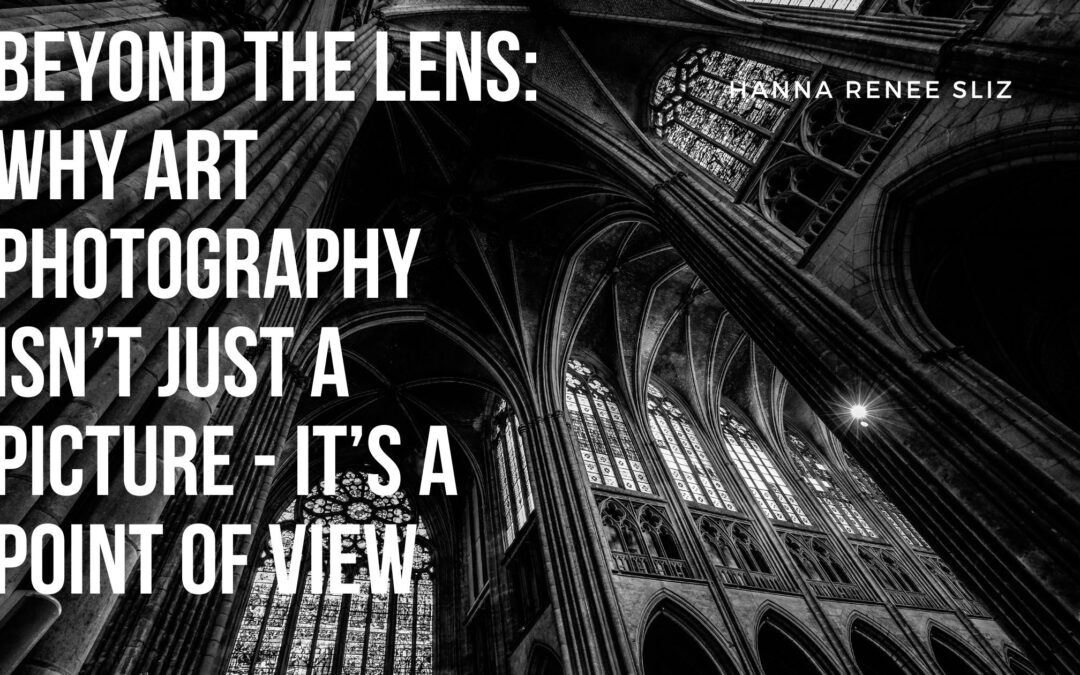
In a world obsessed with snapshots, filters, and fleeting Instagram moments, art photography stands as a bold rebellion. It’s not about selfies, sunsets, or symmetrical lattes—it’s about seeing, deeply and intentionally.
Art photography isn’t just about capturing a scene. It’s about conveying a perspective, a question, a feeling. And in doing so, it transforms the camera from a device into a voice.
What Sets Art Photography Apart?
While commercial and documentary photography focus on accuracy or promotion, art photography has one clear purpose: expression. Every frame is a composition, every shadow is intentional, and every subject is chosen to provoke emotion or introspection.
In other words, art photography doesn’t just ask you to look—it dares you to feel.
It doesn’t matter if the image is abstract, minimalist, surreal, or hyper-real. What matters is that it communicates something unique from the artist’s inner world.
A Dance Between Reality and Interpretation
Unlike painting or sculpture, art photography starts with something “real”—a person, a building, a landscape. But from there, everything becomes subjective.
Lighting shifts the mood. Focus changes the narrative. Cropping alters the story entirely. The artist controls the frame, and with it, the viewer’s experience.
A rusted fire escape becomes a meditation on decay. A single window glowing in a dark city turns into a metaphor for hope. A blurred portrait becomes a commentary on identity.
That’s the magic: the mundane becomes meaningful.
Digital Tools, Timeless Impact
Modern technology has made photography more accessible than ever. But true art photography still demands more than the latest gear. It requires:
- Vision: What is the story or emotion behind the frame?
- Intention: Every element in the image should be deliberate.
- Curiosity: What lies beyond the obvious shot?
While editing software can elevate the work, it’s not about digital perfection—it’s about using tools to sharpen the message. The most compelling pieces don’t rely on polish; they rely on perspective.
Collectors Take Note
Art photography is no longer an “emerging” genre—it’s a pillar of the modern art world. Galleries, museums, and private collectors have embraced photography as a serious medium, with pieces from legends like Cindy Sherman, Gordon Parks, and Nan Goldin fetching millions.
But newer voices are breaking through too—artists who blend photography with activism, identity, and cultural commentary.
For collectors, art photography offers a dynamic, often affordable entry into the fine art space. It’s also a time capsule—capturing the world (and its tensions) in ways other mediums simply can’t.
Final Focus
In a culture flooded with images, art photography is the reminder that not all photos are created equal. Some are taken. Others are made.
So the next time you walk through a gallery or scroll past a moody black-and-white image online, pause. Ask yourself: What is this artist trying to say?
Because if art is the universal language—photography might just be its sharpest dialect.