
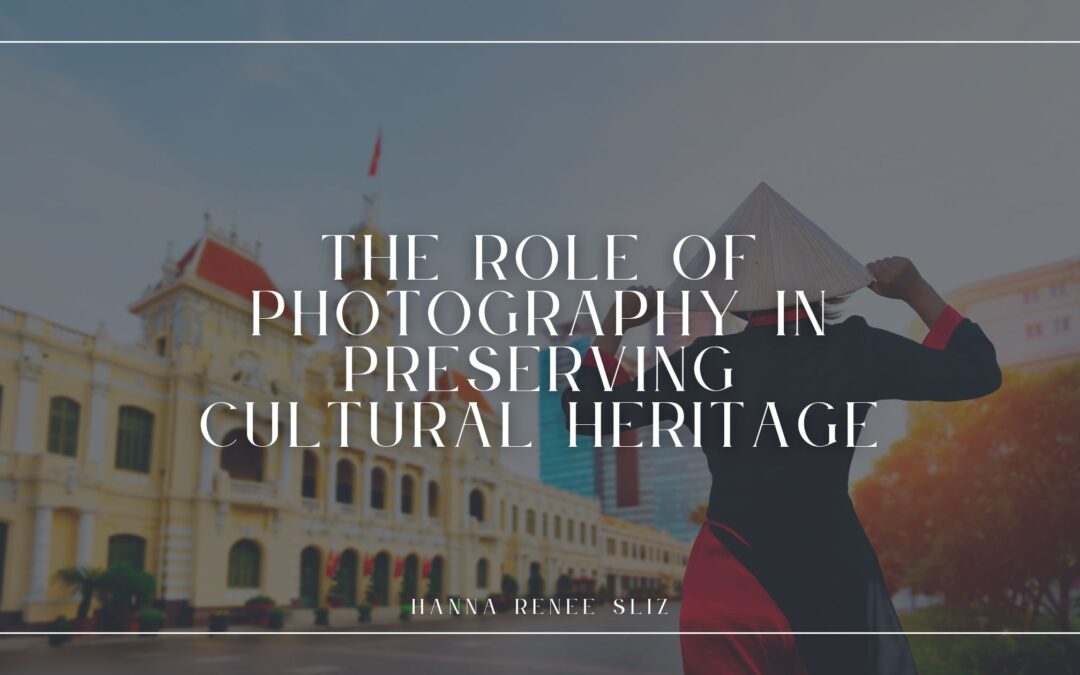
Photography has long been a powerful medium for documenting history, culture, and traditions. It serves as a visual archive that allows societies to preserve their heritage for future generations. In an era of rapid globalization and technological advancement, photography plays a crucial role in safeguarding cultural identity, ensuring that traditional practices, historic landmarks, and indigenous ways of life are not lost to time.
Capturing Traditions and Rituals
Cultural traditions are often passed down orally or through practice, but photography provides a tangible way to document these customs. Festivals, ceremonies, and daily practices that define a community can be recorded in vivid detail, allowing future generations to witness and understand their heritage. For example, photographs of traditional weddings, religious celebrations, and folk dances help retain the visual and emotional essence of these customs.
Professional and amateur photographers alike contribute to this preservation by capturing moments that showcase unique attire, traditional crafts, and culinary practices. Without photography, many of these aspects might fade away as societies modernize and shift toward contemporary lifestyles.
Safeguarding Historic Architecture and Art
Architectural structures and historical monuments represent the artistic and engineering achievements of past civilizations. Unfortunately, many of these landmarks are at risk due to natural disasters, urbanization, or neglect. Photography plays a vital role in documenting these sites, serving as a reference for restoration efforts and raising awareness about the need for their conservation.
For instance, iconic heritage sites such as the temples of Angkor Wat, the pyramids of Egypt, or the historical city of Petra have been extensively photographed. These images not only help researchers and historians study architectural styles but also engage the public in cultural preservation efforts.
Additionally, museums and art institutions rely on high-quality photographic documentation to digitally archive priceless artworks, manuscripts, and artifacts. This ensures that even if the originals are damaged or lost, their essence remains intact through images.
Giving a Voice to Indigenous Communities
Indigenous cultures around the world are at risk due to globalization, deforestation, and displacement. Photography has been a key tool in raising awareness about these issues and advocating for the rights of indigenous people. Documenting their daily lives, traditions, and struggles helps bring their stories to a global audience.
Many renowned photographers, such as Edward Curtis and Jimmy Nelson, have dedicated their careers to capturing indigenous cultures before they disappear. Their images serve as historical records, preserving traditional ways of life that might otherwise be forgotten.
Digital Photography and Cultural Conservation
With the advent of digital photography and online platforms, cultural heritage preservation has become more accessible than ever. Social media and digital archives allow people worldwide to share and access images that depict cultural traditions, historical sites, and artistic expressions. Projects like Google Arts & Culture and UNESCO’s photographic archives provide invaluable resources for researchers, educators, and cultural enthusiasts.
Photography is an essential tool in preserving cultural heritage. It not only captures moments in time but also fosters appreciation and awareness of diverse traditions, art, and history. As societies continue to evolve, photography ensures that the richness of human heritage is documented, celebrated, and passed on to future generations.