
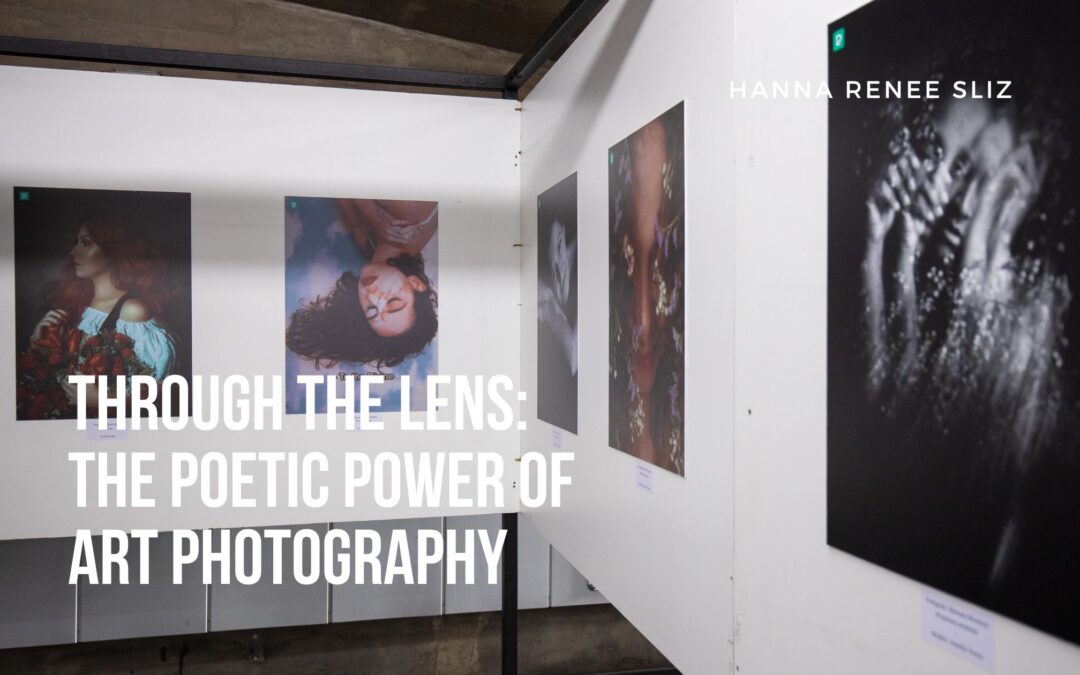
Photography is often described as painting with light, but when it transcends documentation and becomes art, it reveals a deeper, more poetic dimension of human expression. Art photography is not simply about capturing what the eye sees—it is about interpreting, reimagining, and reshaping reality into something more evocative. It bridges the technical mastery of the camera with the imagination of the artist, creating work that provokes thought, stirs emotions, and sometimes even challenges the way we see the world.
Beyond the Snapshot
In everyday life, photography often serves as a tool for memory—family portraits, holiday snapshots, or quick phone pictures that anchor us to specific moments. Art photography, however, ventures far beyond this role. It asks us to look at a photograph not as a record, but as a story, a metaphor, or even a puzzle. The artist manipulates light, composition, and perspective to transform ordinary subjects—a shadow on the pavement, the texture of peeling paint, or the fleeting expression of a stranger—into something extraordinary.
Think of Edward Weston’s close-up of a bell pepper or Cindy Sherman’s staged self-portraits. These are not mere photographs; they are worlds unto themselves. They embody the artist’s vision and invite viewers to question, reflect, and interpret.
The Dialogue Between Artist and Viewer
What makes art photography so compelling is its ability to engage in a dialogue. Unlike commercial or documentary photography, where the intention is often clear, art photography thrives in ambiguity. A single image might evoke different emotions in each person who views it. Where one might see melancholy, another may find hope; where one sees chaos, another sees beauty. This openness of interpretation is what makes art photography endlessly rich and timeless.
The photographer, in this sense, acts more like a poet than a reporter. They distill life into symbols, tones, and gestures, leaving space for the viewer to enter the image and make it their own.
Technology and the Expanding Canvas
The rise of digital tools has expanded the horizons of art photography even further. Today’s artists can experiment with layering, abstraction, and surreal effects that blur the boundaries between photography, painting, and digital art. Social platforms like Instagram and online galleries have also democratized exposure, allowing emerging photographers to share their work with global audiences instantly. Yet, even with all these advancements, the essence of art photography remains unchanged: it is still about vision, storytelling, and the capacity to move people.
Why It Matters
Art photography matters because it reminds us of the infinite ways beauty and meaning can be discovered. In a world where we are constantly bombarded with fast, disposable images, art photography slows us down. It demands that we look, not just glance. It trains our eyes to find poetry in the mundane and to appreciate perspectives outside our own.
Ultimately, art photography is not about the camera, the lens, or even the subject—it is about seeing. And in learning to see more deeply through the eyes of artists, we also learn to see more deeply within ourselves.